
Advertisements
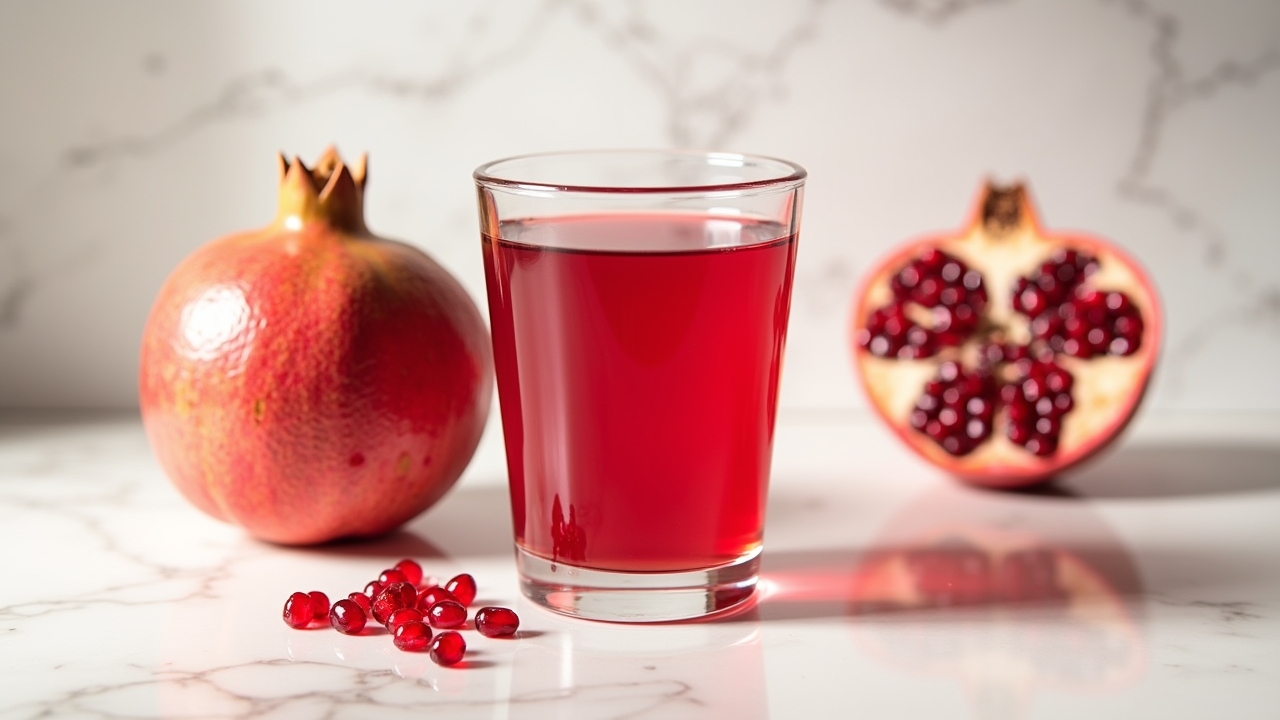
Did you know that pomegranates have been used as a natural remedy for over 3,000 years? Honestly, that blew my mind when I first read it. I started digging into pomegranate anti-inflammatory benefits after my doctor told me my inflammation markers were “something to keep an eye on.” That was my wake-up call!
What Makes Pomegranates So Powerful?
So here’s the deal — pomegranates are absolutely loaded with punicalagins and punicic acid, two compounds you won’t find in many other foods. These antioxidants are basically the superheroes of the fruit world. According to Healthline, pomegranate antioxidant activity is actually three times higher than red wine and green tea combined. Yeah, THREE times. That’s not nothing.
The deep red seeds — called arils — are where most of the magic lives. I remember the first time I tried to cut one open and ended up with juice all over my white t-shirt. Classic rookie mistake. But trust me, it’s worth the mess.
How Pomegranates Fight Inflammation
Inflammation is basically your body’s alarm system. Short-term, it’s helpful. But chronic inflammation? That’s linked to heart disease, diabetes, arthritis, and a whole bunch of other stuff you definitely don’t want. Pomegranates contain ellagic acid and flavonoids that help dial that alarm system down when it’s going off for no good reason.
A study published in the National Library of Medicine found that pomegranate extract significantly reduced inflammatory markers like CRP and interleukin-6 in test subjects. These are the same markers my doctor was watching in my bloodwork. That study basically sent me straight to the grocery store.
What I find really cool is that pomegranate juice anti-inflammatory effects work through multiple pathways at once. It’s not just one trick. It blocks NF-κB signaling, which is a fancy way of saying it slows down the body’s inflammation trigger at the molecular level.
Advertisements
Real Benefits I’ve Actually Noticed
Look, I’m not a doctor and I’m not here to make wild claims. But after about six weeks of adding pomegranate seeds or a small glass of 100% pomegranate juice to my daily routine, I genuinely started feeling less stiff in the mornings. My knees used to feel like rusty hinges when I got out of bed. They still do sometimes, but noticeably less so.
Here are some of the most well-documented pomegranate health benefits worth knowing about:
- Joint pain relief: Research suggests pomegranate extract may help reduce symptoms in people with arthritis by blocking enzymes that damage cartilage.
- Heart health: Anti-inflammatory properties may reduce oxidative stress in arteries, lowering the risk of cardiovascular disease.
- Gut health support: Pomegranate polyphenols feed good gut bacteria, which plays a huge role in managing systemic inflammation.
- Brain protection: Some early studies suggest pomegranate antioxidants may help protect against neuroinflammation linked to memory decline.
How to Actually Add It to Your Diet
This is where people tend to overthink it. You don’t need to do anything fancy. I usually just toss a handful of pomegranate arils into my morning yogurt or oatmeal. Done. Sometimes I blend them into a smoothie with some spinach and frozen berries for an extra anti-inflammatory punch.
If you go the juice route, just make sure you’re buying 100% pure pomegranate juice with no added sugars. A lot of brands sneak in apple juice or sweeteners that basically cancel out the benefits. I learned that the hard way after buying the wrong bottle three times in a row. Check the label — always.
You can also try pomegranate supplements in capsule form, which some people find more convenient. WebMD has a solid breakdown of dosage considerations if you want to go that route.
A Few Things to Keep in Mind
Before you go all-in on pomegranates, there are a couple things worth mentioning. Pomegranate juice can interact with certain medications, especially blood thinners and some blood pressure drugs — similar to how grapefruit does. If you’re on any prescriptions, definitely loop in your doctor before making it a daily habit.
Also, more is not always better. One small glass of juice or a handful of seeds per day is plenty. This isn’t a race.
Your Body Will Thank You Later
At the end of the day, adding pomegranates to your lifestyle is one of the simplest, most delicious ways to support your body’s natural ability to fight inflammation. It’s not a magic cure — nothing is — but the science behind pomegranate anti-inflammatory benefits is genuinely impressive and keeps getting stronger. Take what works for you, adapt it to your own routine, and don’t stress about doing it perfectly.
And hey, if you’re curious about other natural ways to support your health from the inside out, there’s a whole lot more where this came from. Head over to the Prime Guts blog and keep exploring — your gut (and the rest of you) will be glad you did!