Advertisements
Prolactin Imbalance Symptoms: What Your Body Might Be Trying to Tell You
Did you know that prolactin affects way more than just breastfeeding? I had no idea either — until my doctor mentioned it during a routine checkup and I spent the next three hours down a rabbit hole of medical articles. Fun times! Prolactin is a hormone produced by the pituitary gland, and when it gets out of whack, it can mess with your body in ways that feel totally random and confusing. Trust me, I’ve been there.
So let’s talk about prolactin imbalance symptoms — what they look like, why they happen, and when you should probably stop Googling and actually call your doctor.
What Is Prolactin, Anyway?
Prolactin is a hormone made by your pituitary gland, that tiny but mighty little thing sitting at the base of your brain. It’s mainly known for stimulating milk production after childbirth, but it also plays a role in metabolism, immune function, and reproductive health. When prolactin levels are too high — a condition called hyperprolactinemia — or sometimes too low, your whole hormonal system can feel like it’s throwing a tantrum.
Common Prolactin Imbalance Symptoms You Shouldn’t Ignore
Here’s where it gets real. The symptoms of a prolactin imbalance can be sneaky. A lot of them look like other problems, which is honestly what makes this hormone so frustrating to deal with.
- Irregular or missed periods — One of the most common signs in women. I had a friend who went months without a normal cycle and assumed it was stress. Spoiler: it wasn’t just stress.
- Unexpected milk production (galactorrhea) — This one freaks people out. Producing milk when you’re not pregnant or breastfeeding is a classic red flag for high prolactin levels.
- Low libido — Both men and women can experience a serious dip in sex drive. It’s not in your head.
- Infertility issues — High prolactin can interfere with ovulation and sperm production, making conception harder than expected.
- Headaches or vision problems — These can show up if a small tumor called a prolactinoma is pressing on surrounding brain tissue.
- Bone loss — Long-term elevated prolactin can lead to decreased estrogen or testosterone, which weakens bones over time.
- Mood changes and fatigue — I know, sounds vague. But persistent low energy and emotional instability are genuinely linked to hormonal imbalances including prolactin.
High vs. Low Prolactin: Does It Matter Which One You Have?
Yes, it absolutely matters. High prolactin (hyperprolactinemia) is the more common issue and is usually caused by a prolactinoma, certain medications, hypothyroidism, or even chronic stress. Low prolactin is less common but can be linked to pituitary damage or dysfunction. Both sides of the spectrum deserve attention — don’t let anyone brush off your concerns because your numbers are “just a little off.”
What Causes Prolactin Levels to Go Out of Balance?
There are more causes than most people realize. According to the Endocrine Society, common triggers include antipsychotic medications, antidepressants, high-stress lifestyles, kidney disease, and of course, pituitary tumors. Sometimes — and this is the annoying part — no specific cause is ever found. That’s called idiopathic hyperprolactinemia, and yes, it’s as frustrating as it sounds.
Advertisements
How Is a Prolactin Imbalance Diagnosed?
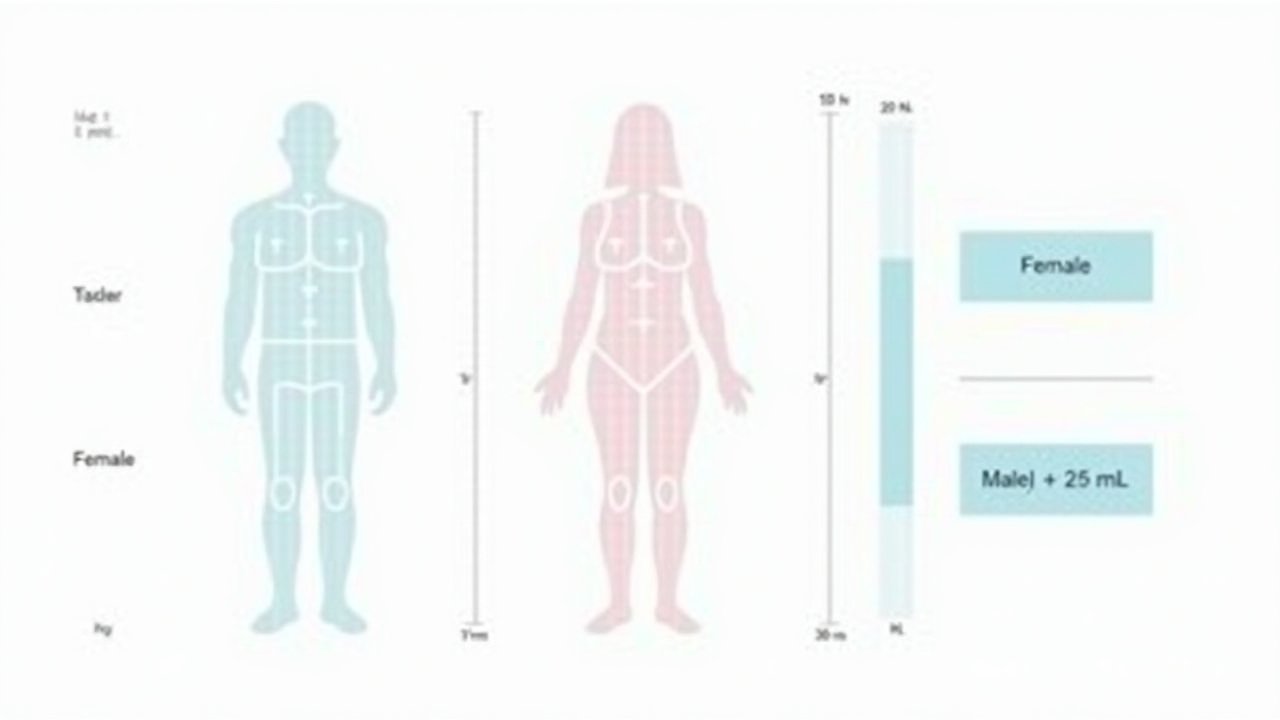
A simple blood test can measure your prolactin levels. Normal ranges are typically under 25 ng/mL for women and under 17 ng/mL for men, though labs can vary slightly. If levels come back elevated, your doctor might order an MRI to check for a pituitary tumor. It sounds scarier than it usually is — most prolactinomas are benign and very treatable.
Practical Tips If You Suspect a Prolactin Problem
- Track your symptoms over time — dates, patterns, severity. Bring that list to your appointment.
- Don’t test prolactin levels right after exercise or sex, as both can temporarily raise them.
- Ask your doctor specifically about medication side effects — many people don’t realize their antidepressant or blood pressure med could be the culprit.
- Request a thyroid panel too, since hypothyroidism and high prolactin often travel together.
Listen to Your Body — It’s Usually Right
Here’s the bottom line: prolactin imbalance symptoms are real, they’re common, and they’re often missed or misattributed to something else entirely. If something feels off — your cycle is weird, you’re exhausted all the time, your libido has basically vanished — don’t just shrug it off. Get the blood work done. Advocate for yourself, because sometimes you have to be your own loudest voice in that exam room.
And hey, hormonal health is just one piece of a much bigger puzzle. If you found this helpful and want to keep learning about how your body works from the inside out, head over to Prime Guts — there’s a whole library of posts waiting for you on gut health, hormones, nutrition, and more. Your body deserves the attention.