Advertisements
Resistant Starch and Gut Health: The Gut-Friendly Carb You’re Probably Ignoring
Did you know that only about 5% of Americans get enough prebiotic fiber in their diet? Yeah, that number hit me hard when I first read it. I used to think eating “healthy carbs” was enough — turns out, I was completely missing one of the most powerful tools for gut health sitting right on my plate.
I’m talking about resistant starch. And honestly, once I figured out what it was doing (or not doing) in my diet, everything about my digestion started to make more sense.
So, What Even Is Resistant Starch?
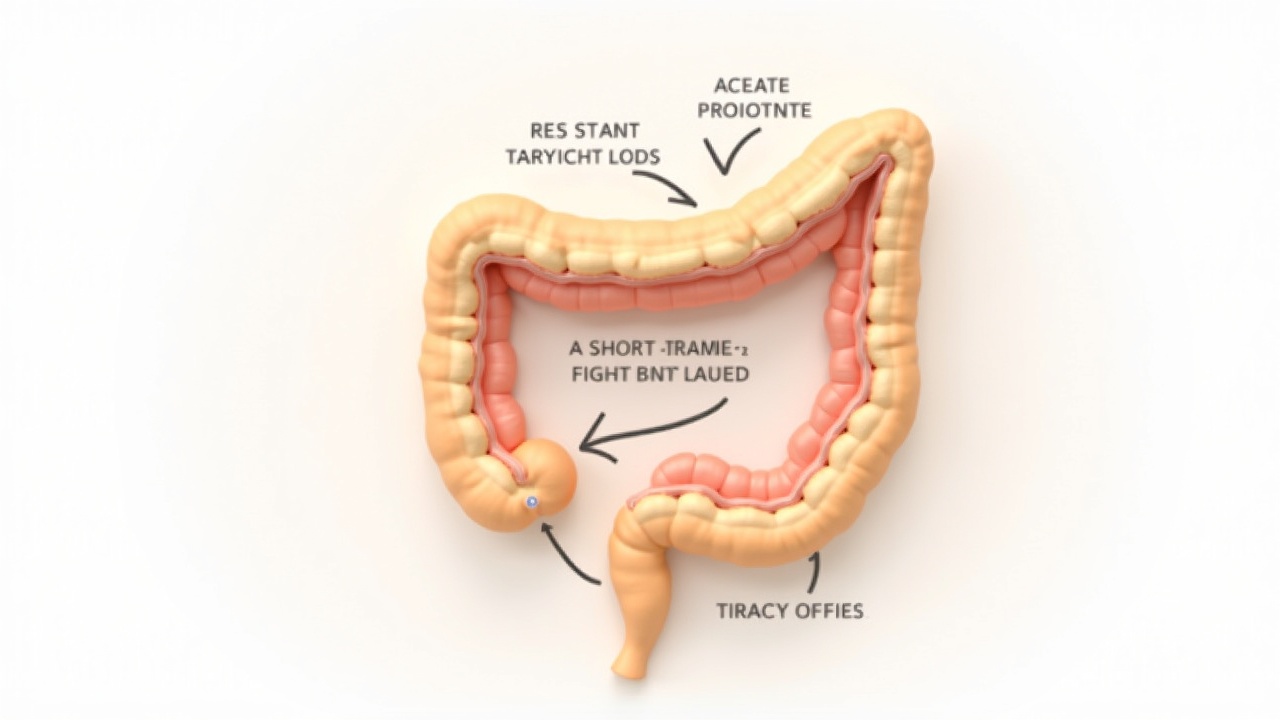
Resistant starch is a type of carbohydrate that literally resists digestion in the small intestine. Instead of being broken down and absorbed like regular starch, it travels down to the large intestine where your gut bacteria go absolutely wild for it. Think of it as premium fuel for your microbiome.
There are actually four main types of resistant starch, ranging from naturally occurring forms in raw foods to the kind that forms when you cook and then cool certain foods. That last one blew my mind, honestly.
The Cool-Down Trick That Changed My Meals
Here’s something I stumbled onto by accident. I started meal prepping rice and potatoes on Sundays — mostly out of laziness, not health goals — and then I found out that cooling cooked starchy foods actually increases their resistant starch content. Like, your leftover rice from last night? It’s better for your gut bacteria than the fresh hot bowl you just made.
This process is called retrogradation, and it’s surprisingly legit. According to research published in the National Library of Medicine, cooking and cooling foods like rice, potatoes, and pasta significantly boosts their resistant starch levels. So yeah, cold pasta salad is basically a health food now. You’re welcome.
Advertisements
Why Your Gut Bacteria Are Obsessed With It
When resistant starch reaches your colon, your gut bacteria ferment it and produce something called short-chain fatty acids (SCFAs) — particularly butyrate. Butyrate is like a superfood for your colon cells. It helps reduce inflammation, supports the gut lining, and may even lower the risk of colorectal issues over time.
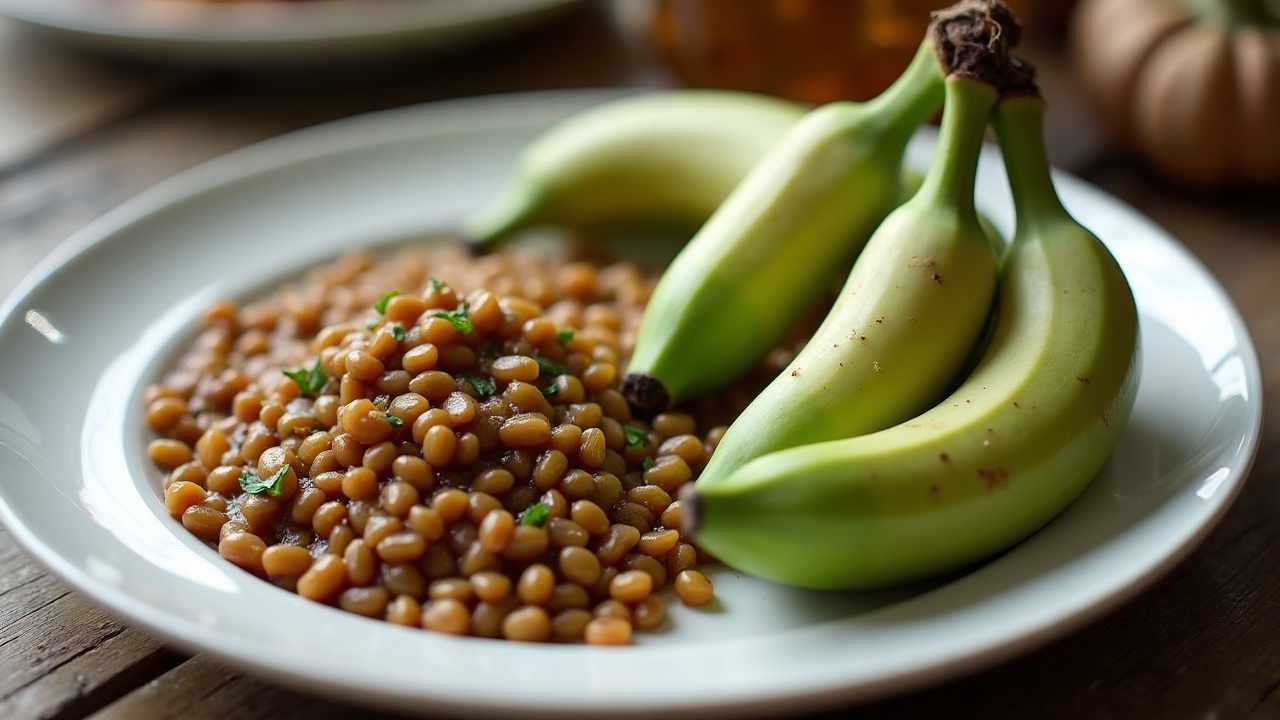
I noticed after about three weeks of intentionally adding more resistant starch to my meals — green bananas, cooked-and-cooled potatoes, legumes — my bloating was noticeably less. Not gone, but definitely dialed back. That felt like a win worth celebrating with a (fiber-rich) smoothie.
Best Food Sources of Resistant Starch
Here’s a quick list of foods that are naturally high in resistant starch — I try to work at least two or three of these into my meals every day:
- Green (unripe) bananas — one of the richest natural sources
- Cooked and cooled rice, potatoes, or pasta — the retrogradation magic we talked about
- Legumes — lentils, chickpeas, black beans
- Raw oats — overnight oats are your gut’s best friend
- Plantains — especially the less ripe ones
Check out this helpful breakdown from BBC Good Food if you want more detail on each one and how to cook with them smartly.
A Word of Caution Before You Go All-In
Now, I have to be real with you — when I first went overboard with resistant starch, my gut was not happy. Gas, cramping, the whole uncomfortable package. Turns out, your gut bacteria need time to adjust when you suddenly flood them with prebiotic fiber. Slow and steady is the move here.
Start with small portions and gradually increase over a couple of weeks. And if you have any pre-existing digestive conditions like IBS or Crohn’s disease, definitely check in with your doctor before making major dietary shifts. Your microbiome is unique, and what works like magic for me might need a little tweaking for you.
Your Gut Will Thank You Later
Resistant starch is one of those things that sounds complicated but is actually super practical once you get the hang of it. Cook your rice ahead. Eat more beans. Grab the green banana at the store. Small shifts, big rewards for your gut microbiome health.
Just remember — no single food is a miracle cure, and gut health is a long game. Listen to your body, adjust as you go, and don’t stress if progress feels slow at first. The science is solid, the foods are delicious, and your gut bacteria are rooting for you.
If you found this helpful and want to keep nerding out on gut health, digestive wellness, and all things microbiome-related, head over to Prime Guts — there’s a whole lot more where this came from!