Advertisements
Sardines: The Tiny Anti-Inflammatory Superfood You’re Probably Ignoring
Did you know that chronic inflammation is linked to nearly every major disease, from heart disease to arthritis to depression? Yeah, that hit me hard too when I first read it. And what if I told you that one of the most powerful weapons against inflammation is sitting on a dusty shelf at your local grocery store, costing less than two bucks a can?
I’m talking about sardines. Hear me out before you wrinkle your nose!
Why Sardines Deserve a Spot on Your Plate
Okay, I’ll be honest. The first time I cracked open a can of sardines, I was not impressed. The smell hit me like a wall and I almost gave up right there. But after reading about their insane nutritional profile, I pushed through — and I’m genuinely glad I did.
Sardines are loaded with omega-3 fatty acids, specifically EPA and DHA, which are scientifically proven to reduce inflammatory markers in the body. According to the Harvard T.H. Chan School of Public Health, omega-3s play a critical role in regulating the body’s inflammation response. One single can of sardines can pack anywhere from 1,000 to 2,000 mg of omega-3s. That’s powerful stuff.
The Anti-Inflammatory Nutrients Packed Inside a Tiny Fish
It’s not just omega-3s doing the heavy lifting here. Sardines are also rich in vitamin D, vitamin B12, selenium, and coenzyme Q10 — all nutrients that help fight oxidative stress and support your immune system. Selenium alone is a serious antioxidant that helps protect cells from inflammation-related damage.
Fun fact (or maybe not so fun): a lot of us are walking around deficient in vitamin D without even knowing it. I was, actually. My doctor flagged it during a routine checkup and suggested I look at whole food sources — sardines ended up being a game-changer for me. Plus, unlike salmon or tuna, sardines are low in mercury because they sit at the bottom of the food chain. That’s a big win for anyone eating fish regularly.
Advertisements
How I Actually Started Eating Sardines Without Hating My Life
Here’s where I made my biggest mistake early on: I ate them straight from the can, cold, with nothing else. Do not do that if you’re new to this. It’s… a lot. Instead, try these beginner-friendly ways to enjoy sardines:
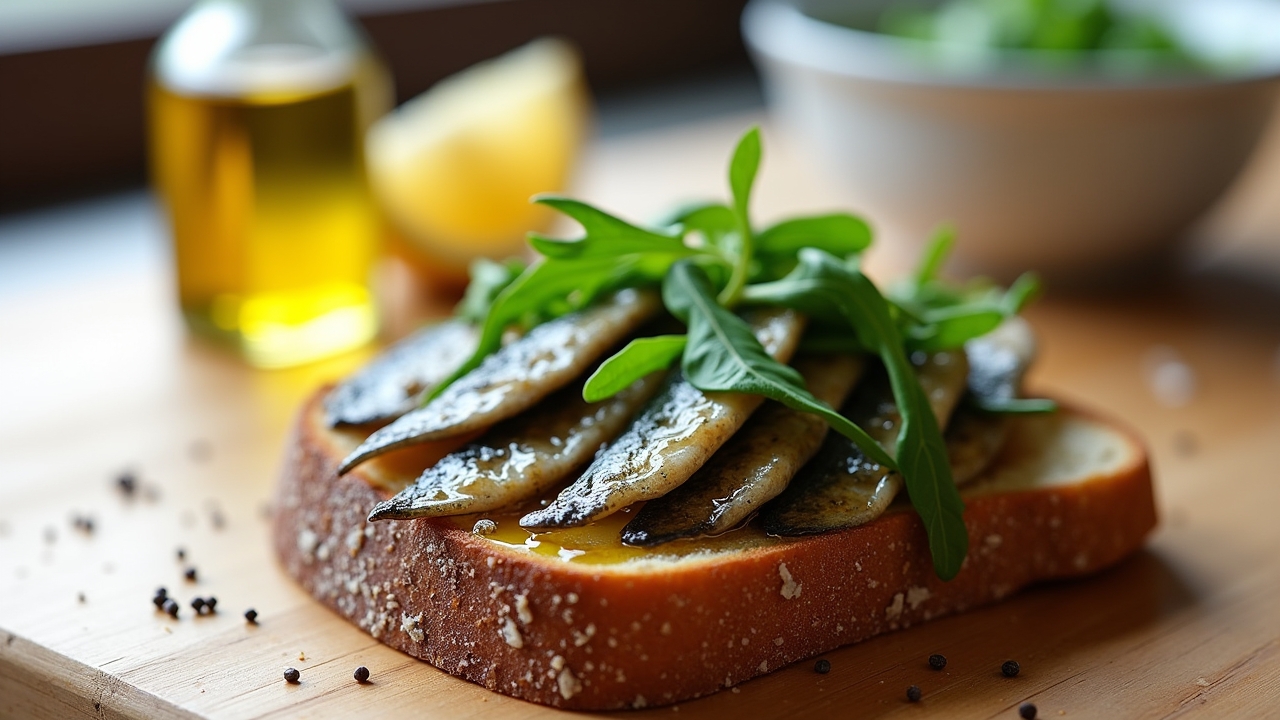
- Mash them onto whole grain toast with avocado and a squeeze of lemon
- Toss them into a Mediterranean salad with olives, cucumbers, and feta
- Mix them into pasta with olive oil, garlic, and capers
- Add them to a grain bowl with roasted veggies and tahini dressing
Seriously, once you start combining sardines with bold flavors, they shine. The lemon-avocado toast combo especially became a go-to for me on busy mornings. Quick, anti-inflammatory, and actually delicious.
What the Science Says About Sardines and Inflammation
Research keeps stacking up in favor of these little guys. A study published in the Journal of Nutritional Biochemistry found that regular consumption of oily fish like sardines significantly reduced levels of C-reactive protein (CRP), which is one of the main biomarkers of inflammation in the body. Lower CRP means your body is less inflamed. Period.
Moreover, the anti-inflammatory diet framework — popularized by experts like Dr. Andrew Weil — consistently places fatty fish like sardines at the top of recommended foods. If your joints ache, your energy crashes mid-afternoon, or you just feel kind of blah all the time, chronic low-grade inflammation might be the culprit. And sardines might be part of the answer.
Your New Tiny but Mighty Ally in the Fight Against Inflammation
Look, I get it. Sardines aren’t glamorous. They’re not going to show up in a trendy smoothie bowl anytime soon. But sometimes the most powerful things come in the most humble packages — and these little fish are proof of that.
Start small. Try one can this week, experiment with a recipe, and see how you feel. As always, if you have specific health conditions or dietary restrictions, check in with your doctor before making big changes to your diet. Food is powerful, but it’s not a replacement for professional medical advice.
If you found this helpful and want to keep learning about real, science-backed nutrition and gut health, head over to Prime Guts — there’s a whole library of posts waiting for you. Your body will thank you for it!