
Seed Oils and Inflammation: What I Wish I Knew 10 Years Ago
Advertisements
Here’s a stat that genuinely shook me — Americans consume nearly 20 times more omega-6 fatty acids today than we did a century ago. Most of that comes from seed oils. When I first stumbled onto the connection between seed oils and inflammation, I was pouring canola oil into everything like it was liquid gold, thinking I was making the “heart-healthy” choice!
Turns out, I was wrong. And honestly, understanding this link has been one of the biggest game-changers for my gut health and overall wellbeing. So let me break it down the way I wish someone had explained it to me years ago.
What Even Are Seed Oils?
Seed oils are vegetable oils extracted from the seeds of plants using industrial processes — think soybean oil, canola oil, corn oil, sunflower oil, safflower oil, and cottonseed oil. They’re literally everywhere. Check the ingredient label on your salad dressing, your chips, even that “healthy” granola bar, and you’ll probably find one lurking in there.
The thing is, these oils weren’t really part of the human diet until the early 1900s. They require heavy processing — including chemical solvents like hexane — to extract. That alone kinda gave me the creeps when I first learned about it.
The Omega-6 Problem and Why It Matters
So here’s where the inflammation piece comes in. Seed oils are loaded with omega-6 fatty acids, particularly linoleic acid. Now, omega-6 isn’t inherently evil — your body actually needs some of it. The problem is the ratio.
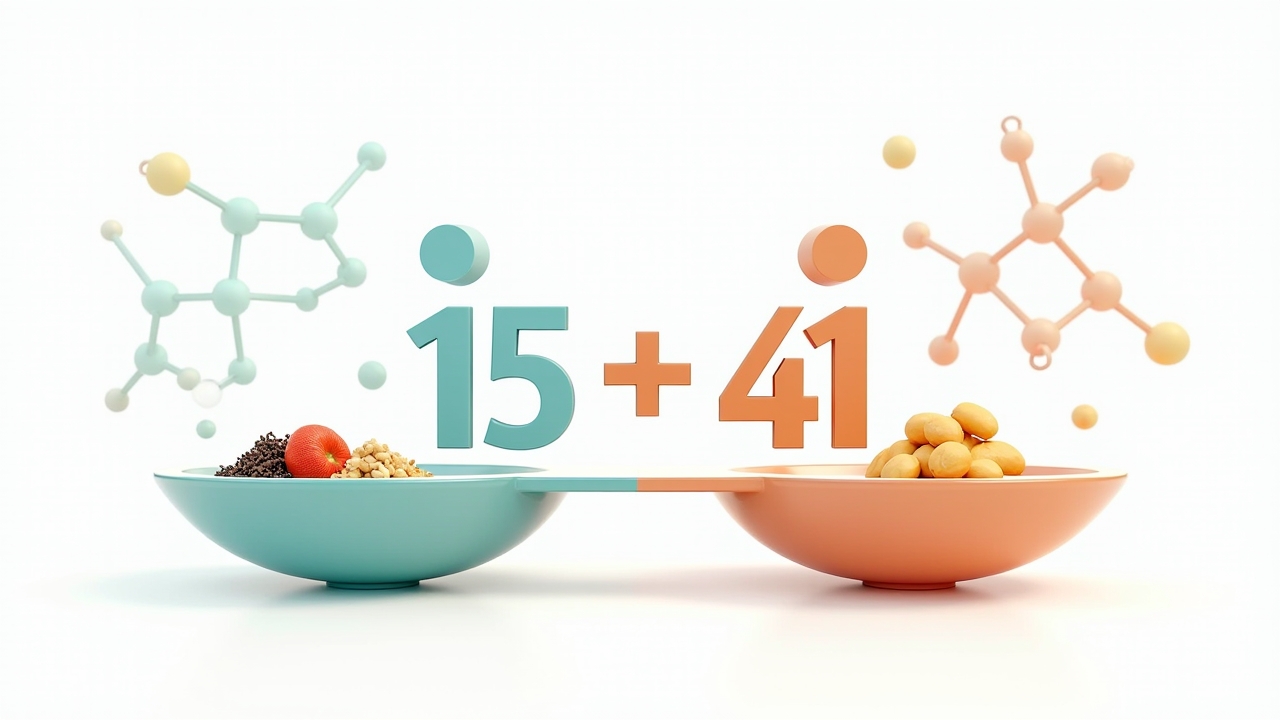
Historically, humans consumed omega-6 and omega-3 fatty acids in roughly a 1:1 to 4:1 ratio. Today? That ratio is somewhere between 15:1 and 20:1 in the standard Western diet. When omega-6 intake gets that high relative to omega-3, your body starts producing more pro-inflammatory compounds called eicosanoids.
I remember reading about this and feeling genuinely frustrated. I’d been so careful about eating “clean,” yet my cooking oil was basically fueling chronic inflammation the whole time. It was like training for a marathon while wearing concrete shoes.
Advertisements
How Seed Oil Inflammation Shows Up in Your Body
Chronic inflammation from excessive omega-6 consumption doesn’t always look dramatic. It’s sneaky. For me, it showed up as persistent bloating, achy joints, and skin that just wouldn’t cooperate — no matter what fancy serum I slathered on.
Research has linked high seed oil consumption to a bunch of inflammatory conditions:
- Increased risk of cardiovascular disease
- Worsened gut permeability (aka leaky gut)
- Aggravated autoimmune responses
- Elevated oxidative stress in cells
- Potential links to metabolic syndrome and obesity
When seed oils are heated — like during deep frying — they oxidize and create harmful compounds called aldehydes. So that restaurant fried chicken cooked in soybean oil? Yeah, it’s not doing your body any favors on the inflammation front.
What I Swapped and What Actually Helped
Once I connected the dots, I started making swaps. And honestly, it wasn’t as hard as I expected. Here’s what worked for me personally:
- Extra virgin olive oil for low-to-medium heat cooking and dressings
- Coconut oil or ghee for higher heat cooking
- Avocado oil when I needed something with a neutral flavor
- Butter from grass-fed cows — because life’s too short for margarine
Within about three weeks of cutting out most seed oils, my bloating reduced noticeably. My skin cleared up a bit too, which was a nice bonus I wasn’t expecting. I also started eating more fatty fish and walnuts to boost my omega-3 intake and help rebalance that ratio.
One mistake I made early on — I got obsessive about it. Like, refusing to eat at friends’ houses or interrogating waiters about their cooking oil. Don’t be that person. Progress over perfection, always.
Your Gut Will Thank You Later
Look, the science on seed oils and inflammation is still evolving, and I’m not here to tell you that one drizzle of canola oil will destroy your health. But the cumulative effect of consuming these oils daily, in almost every processed food, is worth paying attention to. Small swaps can make a real difference over time.
Everyone’s body responds a little differently, so experiment and see what works for you. And always chat with your doctor or a registered dietitian before making big dietary changes — especially if you’re managing an existing condition.
If you found this helpful and want to keep digging into topics like gut health, anti-inflammatory eating, and practical nutrition tips, head over to the Prime Guts blog for more posts like this one. Your future self — and your gut — will appreciate it!