Advertisements
Here’s a wild stat that blew my mind: chronic inflammation is linked to nearly 50% of all deaths worldwide. Fifty percent! When I first read that a few years ago, I was knee-deep in my own battle with joint pain and constant bloating, and honestly, it changed how I thought about everything sitting in my spice rack.
The thing is, anti-inflammatory spices aren’t some trendy wellness hack — people have been using them for thousands of years. And once I started actually paying attention to what I was sprinkling on my food, I noticed real differences in how I felt. So let me walk you through the ones that have genuinely helped me, and maybe they’ll do the same for you.
Turmeric: The One Everyone Talks About (For Good Reason)
Okay, I know turmeric gets hyped up a lot. But here’s the deal — curcumin, the active compound in turmeric, has been studied extensively for its ability to reduce inflammation at a molecular level. I used to just toss a pinch into smoothies and call it a day, which was basically useless.
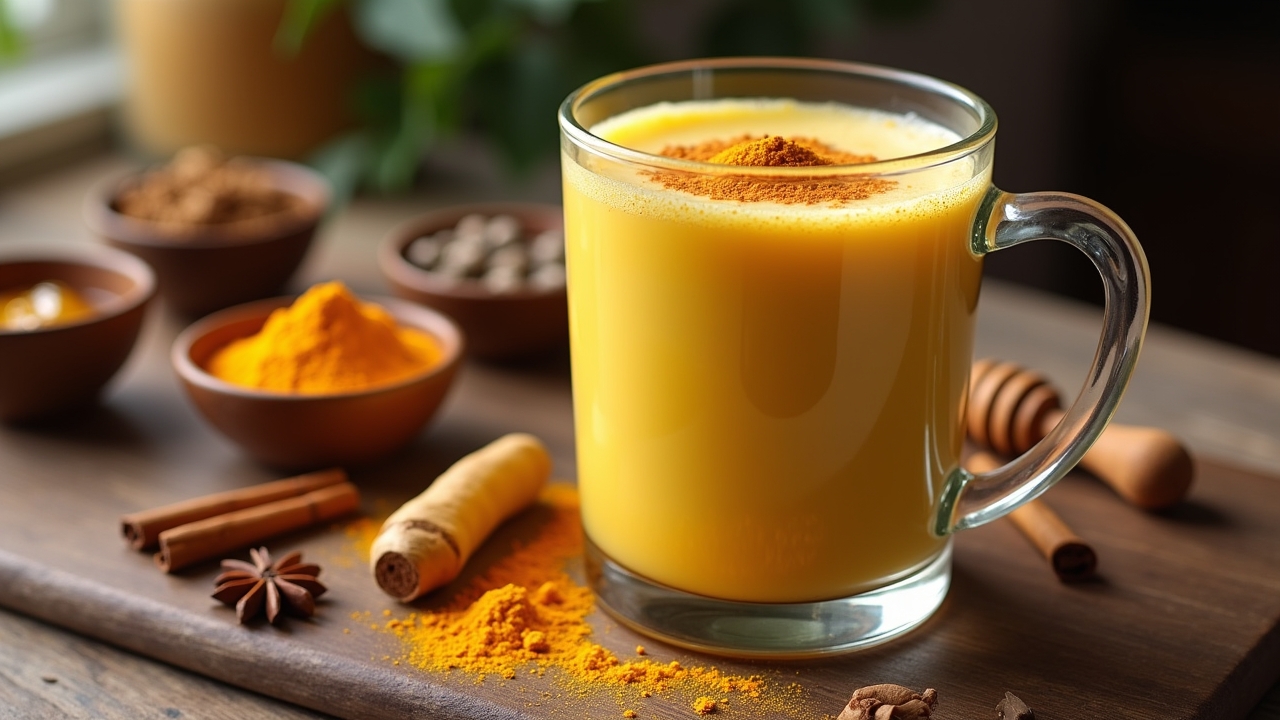
Turns out, your body can barely absorb curcumin on its own. You need black pepper — specifically the piperine in it — to boost absorption by up to 2,000%. I learned that the hard way after months of golden lattes that were doing absolutely nothing for my achy knees.
Now I add turmeric AND freshly cracked black pepper to scrambled eggs, soups, and rice dishes. Game changer, honestly.
Ginger: My Go-To When My Stomach Is Being Dramatic
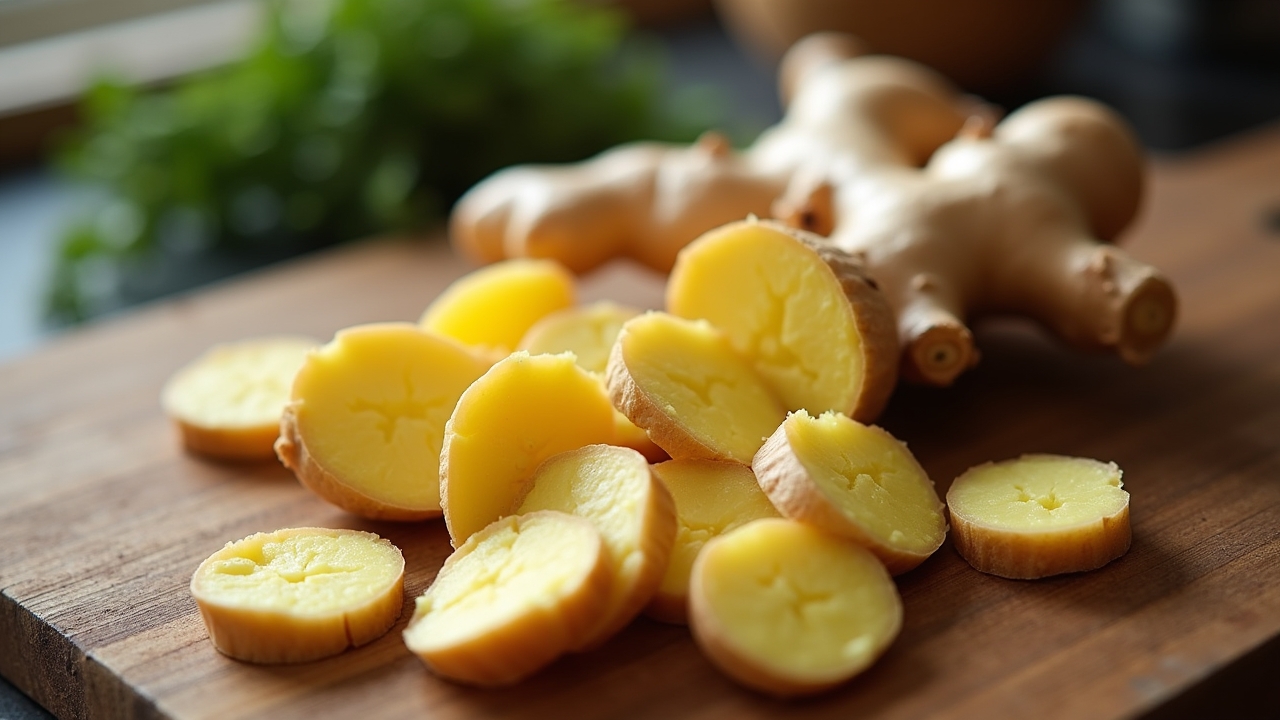
Ginger is probably the spice I reach for the most. It contains compounds called gingerols and shogaols that help fight oxidative stress and reduce inflammatory markers in the body. But I originally started using it just because my gut was a mess.
I remember one Thanksgiving where I ate way too much and felt like a balloon animal for three days straight. My aunt handed me fresh ginger tea, and within an hour, I felt like a new person. Since then, I grate fresh ginger into stir-fries, teas, and even salad dressings.
Advertisements
Pro tip: fresh ginger root is way more potent than the powdered stuff. Keep a knob of it in your freezer — it grates easier when frozen, and it lasts forever.
Cinnamon: Not Just for Dessert
For the longest time, cinnamon was only showing up in my kitchen during the holidays. Apple pie, cinnamon rolls, that kind of thing. Then I stumbled across research showing that Ceylon cinnamon has serious anti-inflammatory and antioxidant properties.
One thing I messed up early on — I was buying cassia cinnamon (the cheap stuff at most grocery stores) without realizing it contains higher levels of coumarin, which can be rough on your liver in large amounts. Ceylon cinnamon, sometimes called “true cinnamon,” is the one you want if you’re using it daily. It’s a little pricier, but worth it.
I now sprinkle it on oatmeal, coffee, and even savory dishes like Moroccan-spiced chicken. It adds warmth without the sugar crash.
A Few More Worth Keeping in Your Rotation
Beyond the big three, there’s a handful of other healing spices that deserve a spot in your cabinet. Here are some I use regularly:
- Cayenne pepper — contains capsaicin, which has been shown to reduce inflammation and even help with pain relief.
- Rosemary — packed with rosmarinic acid, a natural anti-inflammatory compound. I throw it on roasted vegetables constantly.
- Cloves — one of the highest antioxidant spices out there. A little goes a long way in teas and broths.
- Garlic — technically more of an allium than a spice, but the allicin in garlic fights inflammation like a champ. I crush it and let it sit for 10 minutes before cooking to activate its beneficial compounds.
Your Spice Rack Might Be Your Best Medicine Cabinet
Look, I’m not saying ditch your doctor or ignore medical advice — that would be irresponsible. But incorporating anti-inflammatory spices into your daily meals is one of the easiest, most affordable things you can do to support your body’s natural ability to fight chronic inflammation. It’s been a slow process for me, not some overnight miracle, but the cumulative effect has been undeniable.
Start small. Pick one or two spices from this list and find ways to sneak them into meals you already cook. Your body — and especially your gut — will thank you down the road. And hey, if you want more tips on gut health, nutrition, and feeling better from the inside out, come hang out with us over at Prime Guts. We’ve got plenty more where this came from.