
Advertisements
Here’s a stat that honestly blew my mind when I first stumbled across it — testosterone levels in men have been declining by about 1% per year since the 1980s, according to research published in the Journal of Clinical Endocrinology & Metabolism. That’s wild, right? I remember hitting my mid-30s and feeling like my energy just fell off a cliff, and I couldn’t figure out why.
Turns out, what I was putting on my plate mattered way more than I ever gave it credit for. So let me walk you through the testosterone boosting foods that actually made a difference for me — and that science backs up too.
Why Food Even Matters for Testosterone
Before I get into the grocery list, let me just say this. I wasted a good chunk of money on supplements before realizing that my diet was the real problem. Your body needs specific vitamins, minerals, and healthy fats to produce hormones properly, and no pill is gonna fix a crappy diet.
Testosterone production depends heavily on nutrients like zinc, vitamin D, magnesium, and dietary fat. When you’re deficient in any of these, your hormone levels can tank. It’s honestly that simple — and that frustrating when nobody tells you.
Eggs — The Breakfast MVP
I used to throw away the yolks because some fitness influencer told me to. Biggest mistake ever. Egg yolks are packed with cholesterol — the good kind — which is literally the building block your body uses to make testosterone.
They’re also loaded with vitamin D and selenium, both of which support healthy hormone levels. Now I eat two or three whole eggs almost every morning, and I genuinely noticed a difference in my energy within a few weeks. Don’t fear the yolk, people.
Oysters and Shellfish — Zinc Powerhouses
Okay, I’ll be real — I didn’t grow up eating oysters. The texture kinda weirded me out at first. But oysters contain more zinc per serving than almost any other food on the planet, and zinc is critical for testosterone synthesis.
Advertisements
If oysters aren’t your thing, shrimp and crab are solid alternatives. I started adding shellfish to my meals about twice a week and it was a game changer for how I felt overall.
Fatty Fish — Think Salmon and Tuna
Fatty fish like salmon, mackerel, and sardines are rich in omega-3 fatty acids and vitamin D. Both of these nutrients have been linked to supporting male hormone health. I try to get wild-caught salmon at least once a week — it’s not cheap, but man, it’s worth it.
One thing I learned the hard way is that farm-raised fish sometimes contain higher levels of contaminants. So when you can, go wild-caught. Your body will thank you.
Leafy Greens and Cruciferous Vegetables
Spinach is loaded with magnesium, which plays a role in testosterone production — especially in active guys. And cruciferous veggies like broccoli and cauliflower contain a compound called indole-3-carbinol that helps your body manage estrogen levels. Keeping estrogen in check is kinda the other side of the testosterone coin.
I wasn’t a big veggie guy before, not gonna lie. But tossing a handful of spinach into a morning smoothie was an easy win that I actually stuck with.
Other Foods Worth Adding to Your Rotation
- Pomegranates — shown in some studies to boost salivary testosterone levels by up to 24%.
- Ginger — a natural anti-inflammatory that may support T levels over time.
- Beef and organ meats — rich in zinc, B vitamins, and saturated fats needed for hormone production.
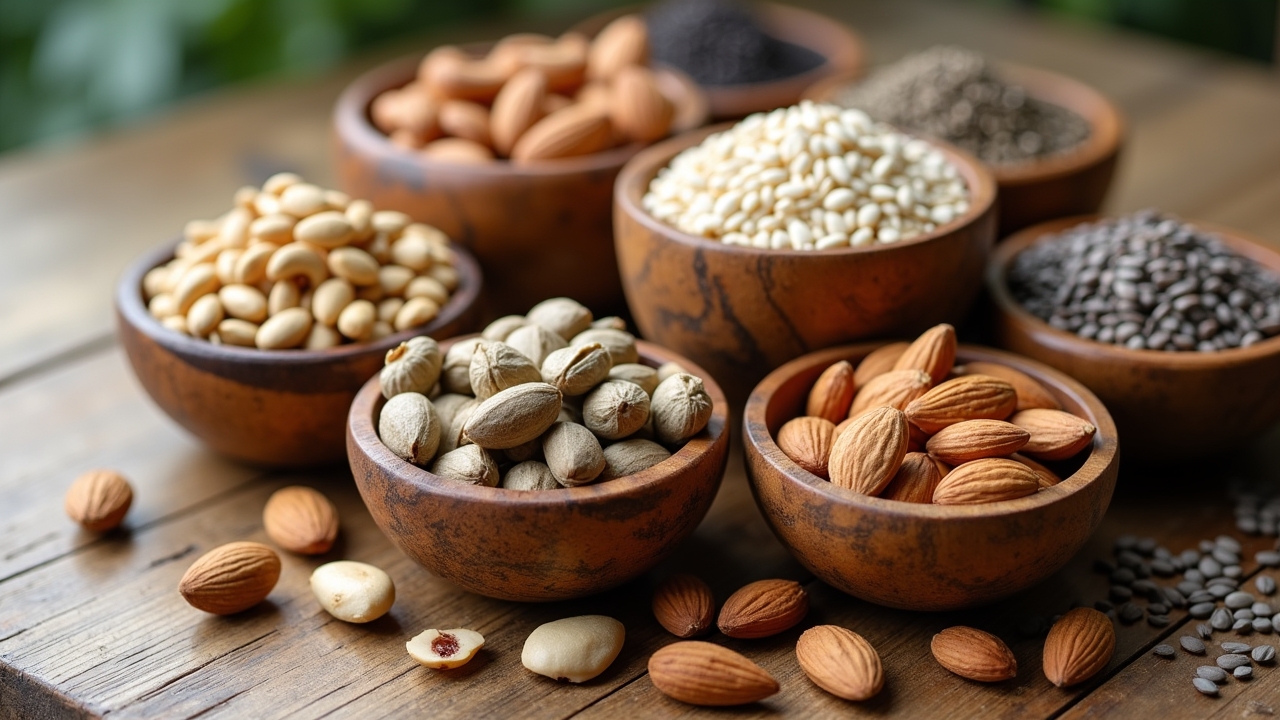
- Brazil nuts — just two a day gives you all the selenium you need.
- Extra virgin olive oil — healthy monounsaturated fats that support Leydig cell function.
Your Plate Is Your First Line of Defense
Look, I’m not a doctor, and I’m definitely not saying food alone will fix serious hormonal issues. If you suspect something’s really off, get bloodwork done and talk to a professional. But for a lot of us, the foundation starts with what we eat — and making small, consistent changes to include more testosterone friendly foods can add up big time.
Everyone’s body is different, so experiment and see what works for you. What helped me might hit different for you, and that’s totally fine. The key is paying attention and being intentional about it.
If you found this helpful, stick around — there’s a lot more practical health content over on the Prime Guts blog. We cover everything from nutrition to lifestyle habits that actually move the needle. Go check it out!