Advertisements

Did you know that the average American consumes about 17 teaspoons of added sugar daily — nearly three times the recommended amount? I used to be one of those people. Then I started swapping sugar for “healthier” sweeteners, thinking I was doing my gut a favor. Spoiler alert: I wasn’t always right. Some of those swaps actually made things worse before they got better!
Understanding the sweeteners gut health ranking changed everything for me. Not all sweeteners are created equal, and your gut microbiome has a LOT of opinions about what you’re feeding it. So let’s break this down together, friend to friend.
Why Sweeteners and Gut Health Are So Closely Linked
Your gut is home to trillions of bacteria — the good, the bad, and the ugly. These microbes react to everything you eat, including sweeteners. Some sweeteners feed beneficial bacteria, while others can literally disrupt your gut flora and cause bloating, irregular digestion, or worse.
I remember switching to diet sodas thinking I was being smart. A few weeks in, my stomach was a mess. Turns out, certain artificial sweeteners were messing with my microbiome big time. That experience sent me down a rabbit hole of research I honestly wasn’t prepared for.
Sweeteners Gut Health Ranking: From Best to Worst
Based on current research and my own trial-and-error journey, here’s a general ranking of common sweeteners and how they affect gut health:
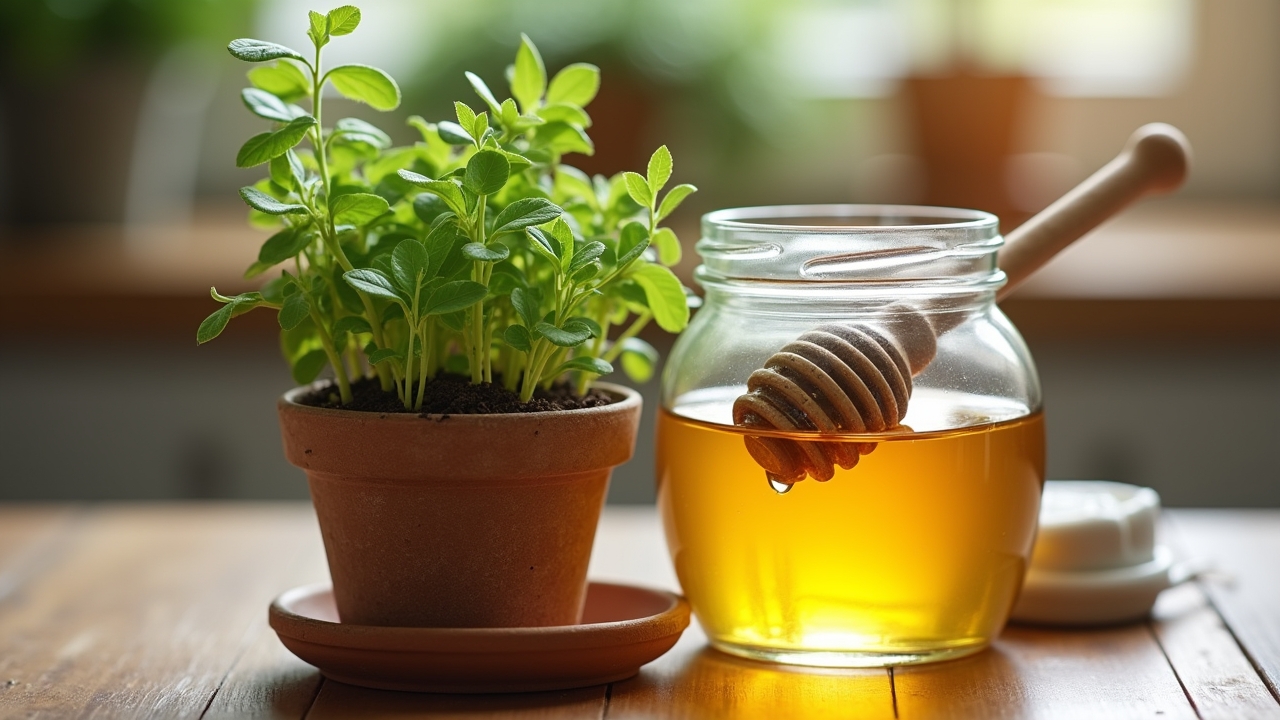
1. Raw Honey — The Gold Standard
Raw honey is packed with prebiotics and antimicrobial compounds that actually support a healthy gut. Studies have shown it can promote the growth of Lactobacillus and Bifidobacterium — the good guys. According to Healthline, raw honey has measurable prebiotic effects that processed honey simply doesn’t offer.
Advertisements
2. Maple Syrup — Underrated Hero
Pure maple syrup contains polyphenols and antioxidants that may support gut microbiota diversity. It’s not calorie-free, but it’s far gentler on your digestive system than refined sugar. A study published on PubMed suggests its phenolic compounds have anti-inflammatory properties that benefit gut lining health.
3. Stevia — A Solid Middle Ground
Stevia is plant-based and calorie-free, which sounds perfect. However, the research is a little mixed here. Some studies suggest it may alter gut bacteria composition in ways we don’t fully understand yet. Still, it’s generally considered one of the safer options compared to artificial alternatives. Check out what Medical News Today says about stevia and gut microbiome impact.
4. Coconut Sugar — Decent But Don’t Go Overboard
Coconut sugar contains a small amount of inulin, a prebiotic fiber. That’s cool! But honestly, it’s still sugar — same calories, similar glycemic impact if consumed in large amounts. Use it sparingly and your gut won’t throw a fit.
5. High-Fructose Corn Syrup — Proceed With Caution
High-fructose corn syrup (HFCS) is everywhere — sodas, sauces, even bread. Research consistently links it to increased gut permeability (aka “leaky gut”) and harmful shifts in microbiome composition. This one’s a hard pass for me now. I used to drink two sodas a day — my gut was not happy, and I didn’t even connect the dots until much later.
6. Artificial Sweeteners (Aspartame, Sucralose, Saccharin) — The Red Flags
These are the ones that wrecked my stomach back in my diet soda days. Research published in the journal Nature found that artificial sweeteners like saccharin and sucralose can significantly disrupt gut microbiota balance. They’re not “free passes” just because they’re calorie-free. Your gut bacteria don’t see it that way!
Practical Tips for Choosing Gut-Friendly Sweeteners
- Start small — introduce new sweeteners gradually to see how your body reacts.
- Prioritize whole-food sweeteners like raw honey or pure maple syrup when possible.
- Read ingredient labels carefully — HFCS hides in surprising places.
- Keep a simple food journal to track bloating or digestive changes after switching sweeteners.
- Consult a registered dietitian if you have IBS or other gut conditions before making major changes.
Your Gut Deserves Better Choices
Here’s the thing — this isn’t about being perfect. It’s about being informed. Understanding the sweeteners gut health ranking helps you make smarter, more personalized choices for your body. What works for your neighbor might not work for you, and that’s totally okay. Experiment, listen to your gut (literally), and don’t be afraid to adjust.
Just remember — any major dietary change should be approached thoughtfully, especially if you have existing health conditions. Always loop in a healthcare professional when in doubt.
Want to keep learning about gut health, nutrition, and making sense of all the confusing food science out there? Head over to Prime Guts — we’ve got plenty more posts to help you live and eat smarter. Your microbiome will thank you!