
The Mediterranean Diet Anti-Inflammatory Connection: How I Finally Stopped Feeling Like a Rusty Robot
Advertisements
Here’s a stat that honestly blew my mind: roughly three out of five deaths worldwide are linked to chronic inflammatory diseases. Three out of five! When I first stumbled across that number a few years ago, I was dealing with achy joints, constant bloating, and this weird brain fog that made me feel like I was thinking through molasses. My doctor kept telling me inflammation was the root cause, and I kept nodding like I understood what that even meant.
Turns out, the mediterranean diet anti-inflammatory approach was the thing that finally made everything click for me. And honestly, I wish someone had just sat me down and explained it sooner.
What Even Is Chronic Inflammation (And Why Should You Care)?
So here’s the deal. Acute inflammation is your body doing its job — you cut your finger, it swells up, it heals. That’s the good stuff. But chronic inflammation? That’s when your immune system basically gets confused and starts attacking your own tissues for weeks, months, or even years.
I used to think inflammation was just about sore knees after a long run. Nope. Chronic low-grade inflammation has been linked to heart disease, type 2 diabetes, certain cancers, and even Alzheimer’s. It’s like this silent fire burning inside your body, and most people don’t even realize its happening until something bigger goes wrong.
Why the Mediterranean Diet Is Basically Nature’s Fire Extinguisher
The Mediterranean diet isn’t really a “diet” in the way most people think about diets. There’s no calorie counting, no weird shakes, no eliminating entire food groups. It’s more of an eating pattern inspired by how people in countries like Greece, Italy, and Spain have eaten for centuries.
What makes it so powerful for reducing inflammation? It’s loaded with anti-inflammatory foods like extra virgin olive oil, fatty fish, leafy greens, nuts, and whole grains. These foods are packed with omega-3 fatty acids, polyphenols, and antioxidants that actively work to lower inflammatory markers like C-reactive protein (CRP) in your blood.
I remember the first week I seriously committed to it. I swapped my morning cereal for Greek yogurt with walnuts and berries, started cooking with olive oil instead of vegetable oil, and added salmon to my rotation twice a week. Nothing crazy. But within about three weeks, the puffiness in my face went down and my energy was noticeably better.
Advertisements
The Anti-Inflammatory Foods That Made the Biggest Difference for Me
Not all Mediterranean foods are created equal when it comes to fighting inflammation. Here are the ones that I personally noticed the most impact from:
- Extra virgin olive oil — This stuff is liquid gold, seriously. It contains oleocanthal, which works similarly to ibuprofen. I drizzle it on basically everything now.
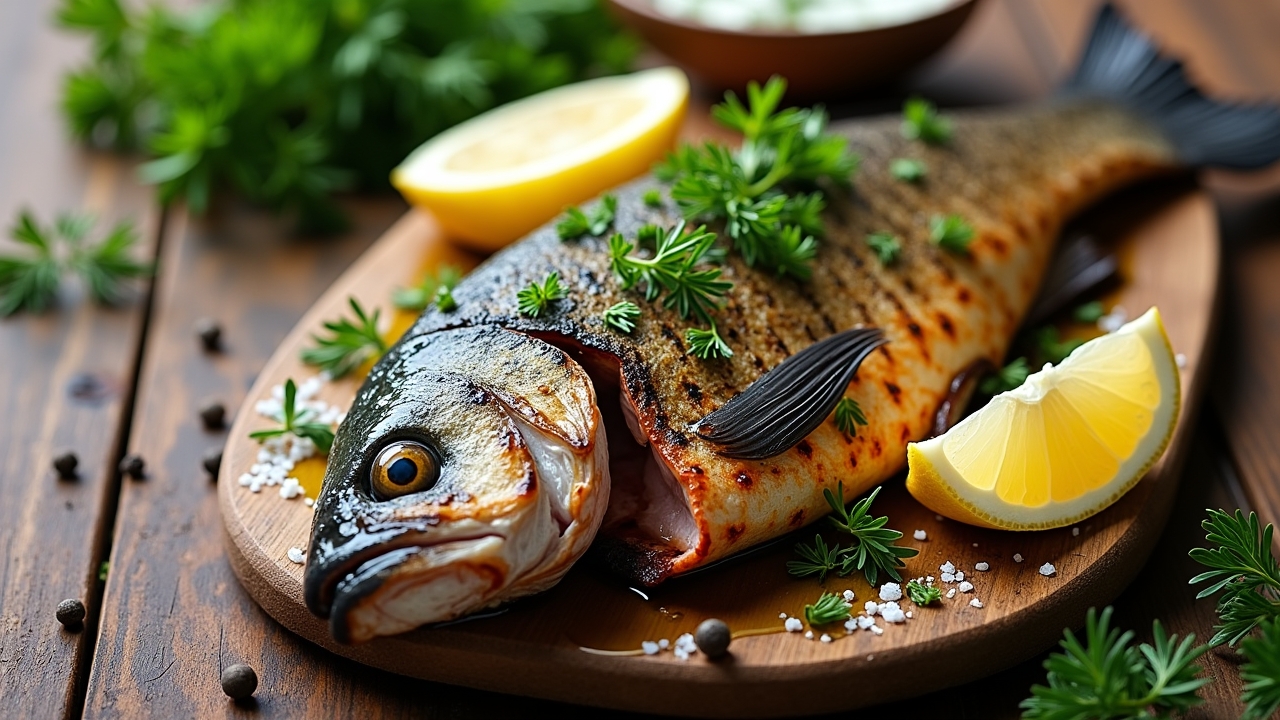
- Fatty fish like salmon and sardines — Rich in omega-3s that directly combat inflammatory pathways. I was not a sardine person before this, but canned sardines on sourdough toast? Game changer.
- Leafy greens and cruciferous vegetables — Spinach, kale, broccoli. They’re full of antioxidants and fiber that support gut health, which is hugely connected to inflammation.
- Berries — Blueberries and strawberries are loaded with anthocyanins, a type of flavonoid that reduces inflammatory responses.
- Nuts and seeds — Almonds and flaxseeds became my go-to snacks. Way better than the chips I was mindlessly eating before.
My Biggest Mistake (Don’t Do This)
Here’s where I messed up early on. I tried to go all-in overnight and completely eliminated everything that wasn’t “Mediterranean approved.” No coffee, no occasional treat, nothing. I lasted about four days before I caved and ate an entire pizza out of frustration.
The lesson? Transition gradually. Start by adding more anti-inflammatory foods before you worry about removing anything. This isn’t about perfection — it’s about consistency over time. The Mediterranean lifestyle also emphasizes enjoying meals with others and savoring your food, which is something our rushed culture totally overlooks.
Your Body Is Listening to Every Bite
Look, I’m not a doctor and I’m definitely not saying the Mediterranean diet is a cure-all. If you have a serious inflammatory condition like rheumatoid arthritis or Crohn’s disease, please work with your healthcare provider. What I am saying is that the foods you eat either fuel inflammation or fight it, and this way of eating stacks the deck heavily in your favor.
Customize it to what works for you. Hate fish? Load up on walnuts and flaxseeds instead. Can’t stand kale? Spinach works just fine. The beauty of this approach is its flexibility.
If you’re curious about more ways to support your gut health and reduce inflammation naturally, make sure to check out other posts on Prime Guts. Your future self — the one who’s not walking around feeling like a rusty robot — will thank you for it.