
Advertisements
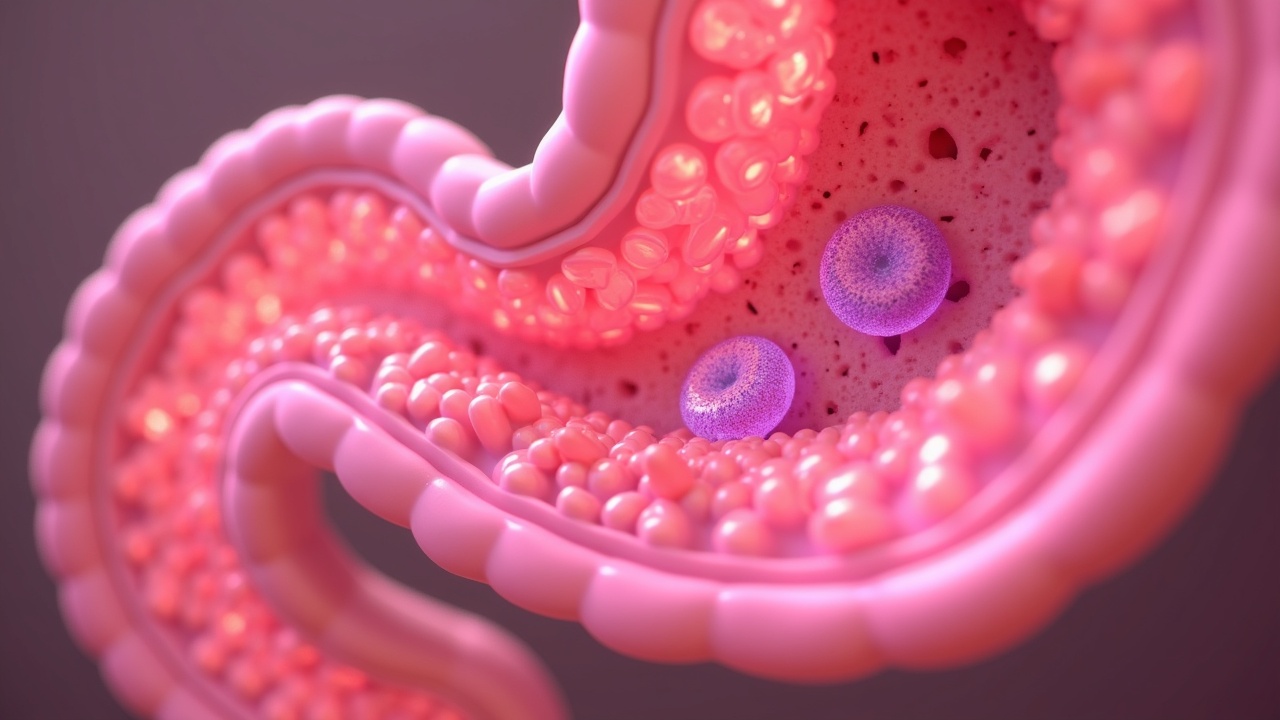
Did you know that nearly 70% of your immune system lives in your gut? Yeah, I was today years old when I really let that sink in. And once I started dealing with bloating, random stomach cramps, and what my doctor politely called “intestinal permeability” (aka leaky gut), I knew something had to change. That’s when glutamine gut repair became a phrase I started hearing everywhere — and honestly, it changed the game for me.
What Is Glutamine and Why Should You Care?
Glutamine is an amino acid. Simple enough, right? But here’s the thing — it’s the most abundant amino acid in your bloodstream, and your gut lining absolutely loves it. Think of it like the bricks your intestinal wall is made of. When your gut is damaged or inflamed, your body burns through glutamine faster than it can produce it.
I remember reading about this on Healthline’s breakdown of glutamine and thinking, “Wait, my body is literally running out of its own repair material?” That was a bit of a wake-up call, not gonna lie.
How Glutamine Helps Repair Your Gut Lining
So here’s where it gets interesting. Your gut lining is made up of tiny cells called enterocytes, and they replicate fast — like, really fast. Glutamine is their main fuel source. Without enough of it, those cells can’t repair themselves properly, and that’s when gaps start forming in your intestinal wall.
Those gaps? That’s leaky gut. And leaky gut can trigger everything from food sensitivities to brain fog to skin issues. I personally dealt with random rashes for two years before connecting the dots. Honestly, kind of embarrassing that it took that long.
According to a study published on PubMed Central, glutamine supplementation has been shown to significantly improve intestinal barrier function and reduce gut permeability. That’s legit science backing up what a lot of people in the wellness space have been saying for years.
Advertisements
Signs You Might Need More Glutamine
- Frequent bloating or gas after meals
- Food sensitivities that seem to multiply over time
- Brain fog or mood swings (yes, gut-brain connection is real)
- Slow recovery after workouts
- Chronic stress — this one depletes glutamine levels fast
I checked off almost every single one of those. My workout recovery was trash, I was stressed out of my mind from work, and my digestion was… let’s just say, unpredictable. Adding glutamine to my routine felt like finally giving my body the tools it needed.
How to Use Glutamine for Gut Repair
Okay, practical tips time. Most people start with 5 grams of L-glutamine powder per day, usually mixed into water or a smoothie on an empty stomach. Some practitioners recommend up to 15–20 grams daily for more serious gut issues, but always check with your doctor first. Don’t go rogue with supplements — trust me, I learned that one the hard way.
You can also get glutamine from food sources. WebMD notes that beef, chicken, fish, eggs, and dairy are all solid natural sources. But if your gut is already compromised, absorption from food alone might not cut it — that’s where supplementing comes in.
A Few Tips From My Experience
- Take it first thing in the morning before coffee (coffee can irritate an already sensitive gut)
- Be consistent — gut repair doesn’t happen overnight, give it at least 4–6 weeks
- Pair it with a probiotic for better results; they work really well together
- Stay hydrated — your gut needs water to function and heal properly
Is Glutamine Safe for Everyone?
Generally, yes — L-glutamine is considered safe for most healthy adults. But if you have liver or kidney conditions, or you’re dealing with certain cancers, it’s a conversation you need to have with your healthcare provider first. No exceptions on that one.
Also, some people experience mild side effects when starting out, like a little nausea or headaches. That happened to me the first week, but it passed. Your body’s just adjusting.
Your Gut Deserves Better — And So Do You
Look, gut health isn’t a trend. It’s the foundation of how you feel every single day — your energy, your mood, your immune system, all of it. Glutamine gut repair is one of those things that sounds complicated but is actually pretty straightforward once you get into it. Start small, stay consistent, and pay attention to how your body responds.
Everyone’s gut is different, so what works amazingly for me might need a little tweaking for you — and that’s totally okay. Just make sure you’re making informed choices and not skipping the “talk to your doctor” step, especially if you’re dealing with a diagnosed condition.
If you found this helpful and want to keep learning about gut health, digestion, and wellness that actually makes sense for real life, head over to Prime Guts — there’s a whole lot more waiting for you there. Your gut will thank you!