Thyroid Health Foods: What I Wish Someone Had Told Me Years Ago
Advertisements
Here’s a stat that honestly blew my mind — roughly 20 million Americans have some form of thyroid disease, and up to 60% of them don’t even know it. That’s wild, right? When my doctor first flagged my TSH levels a few years back, I had absolutely no clue that the foods sitting in my fridge could either help or hurt my thyroid function.
I spent weeks researching thyroid health foods, and honestly, the amount of conflicting information out there was maddening. So I figured I’d break down what actually worked for me — and what the science backs up — in a way that doesn’t make your eyes glaze over.
Why Your Thyroid Cares About What You Eat
Your thyroid is basically this tiny butterfly-shaped gland in your neck that controls a ridiculous amount of stuff. We’re talking metabolism, energy levels, mood, even how well your hair grows. When it’s not getting the right nutrients, things go sideways fast.
I learned the hard way that thyroid nutrition isn’t just about popping a supplement and calling it a day. The gland needs specific minerals and vitamins from whole foods to produce hormones like T3 and T4 properly. Skip those nutrients and you might end up feeling like a zombie who can’t lose weight — ask me how I know.
The Best Thyroid Health Foods I Actually Eat Now
Alright, let’s get into the good stuff. These are foods that have been shown to support thyroid function, and I’ve personally incorporated most of them into my weekly routine.
Selenium-Rich Foods
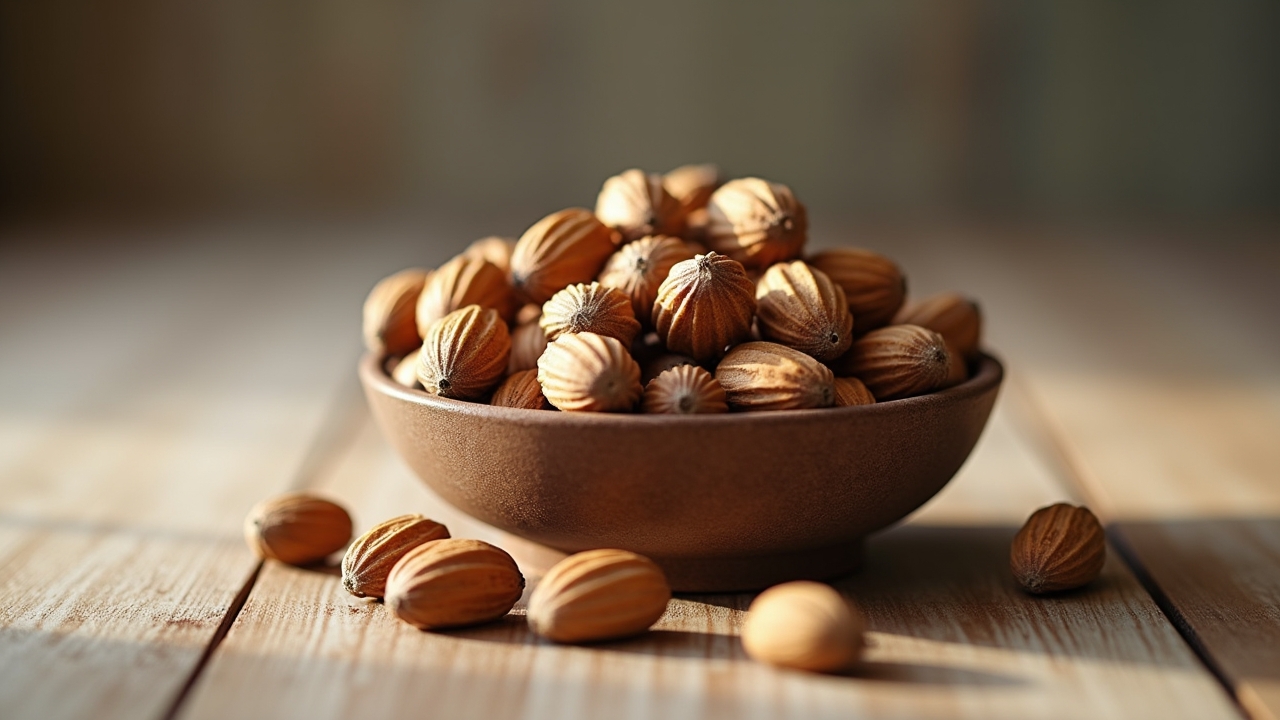
Selenium is like the thyroid’s best friend. It helps convert T4 into the active T3 hormone, and a deficiency can mess things up pretty badly. According to the NIH, just one or two Brazil nuts a day gives you more than enough selenium.
- Brazil nuts — seriously, just two a day does the trick
- Sardines and tuna — great for selenium and omega-3 fatty acids
- Eggs — the yolk is where the magic happens
- Sunflower seeds — perfect for snacking
Iodine-Rich Foods
Here’s where I messed up early on. I was so focused on eating clean that I ditched iodized salt completely and switched to fancy Himalayan pink salt. Turns out, my iodine levels tanked. Your thyroid literally cannot make hormones without iodine.
Advertisements
- Seaweed and kelp — probably the best natural source out there
- Dairy products — yogurt and milk are surprisingly solid options
- Shrimp — a decent source plus it’s delicious
- Iodized table salt — don’t be afraid of it in moderation
Zinc and Iron Sources
Both zinc and iron play a role in thyroid hormone production, and low levels of either have been linked to hypothyroidism. I started eating more lean red meat and pumpkin seeds after my bloodwork showed I was borderline low on both. Within a couple months, my energy was noticeably better.
- Lean beef and chicken
- Pumpkin seeds and cashews
- Lentils and chickpeas
- Spinach — though cooking it is better for absorption
Foods That Might Be Messing With Your Thyroid
Okay, so this part surprised me. Some “healthy” foods can actually interfere with thyroid function if you eat them raw in huge amounts. Cruciferous vegetables like broccoli, cauliflower, and kale contain goitrogens, which can block iodine uptake. Now, before you panic — Harvard Health notes that cooking these veggies significantly reduces their goitrogenic effect.
I was literally doing huge raw kale smoothies every morning for months. My nutritionist just shook her head when I told her. Lesson learned — steam your cruciferous veggies and you’ll be fine.
Also, highly processed foods and excess soy products can be problematic for some folks with thyroid conditions. It’s not about eliminating everything, it’s about being aware and balanced.
Your Plate Is More Powerful Than You Think
Look, I’m not a doctor and I’m definitely not telling you to ditch your thyroid medication or ignore your endocrinologist. What I am saying is that the right thyroid-supporting diet made a noticeable difference in how I felt day to day — more energy, better sleep, and my brain fog finally started to lift.
Everyone’s body is different though, so what worked for me might need tweaking for you. Talk to your healthcare provider before making big dietary changes, especially if you’re on levothyroxine or other thyroid meds. Some foods can actually interfere with medication absorption, which is something not enough people talk about.
If you found this helpful and want to keep learning about how food impacts your body, head over to the Prime Guts blog where we dig into gut health, nutrition, and all the stuff that actually matters for feeling your best. Your thyroid will thank you!