
Advertisements
Did you know that chronic brain inflammation has been linked to depression, cognitive decline, and even Alzheimer’s disease? Yeah, that hit me hard too when I first read it. I started digging into what I could actually eat to help fight this — and honestly, I kept coming back to one humble little nut.
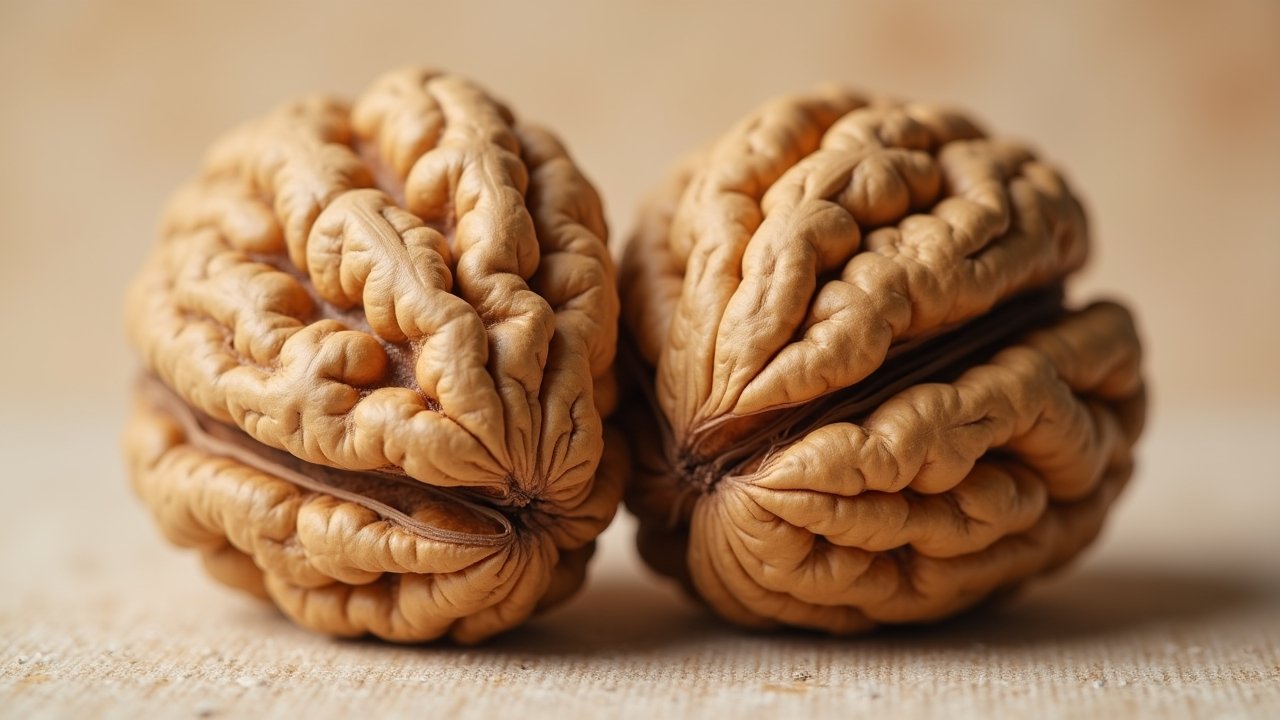
Walnuts. Just… walnuts. I know, sounds too simple, right? But the research on walnuts and brain inflammation is surprisingly legit, and I want to walk you through what I’ve found — plus what actually happened when I started eating them every day.
Why Brain Inflammation Is Such a Big Deal
So here’s the thing — inflammation in the brain isn’t like a sprained ankle where you can just ice it and move on. Neuroinflammation is a slow, sneaky process that chips away at your mental health and memory over time. According to the National Institute on Aging, chronic low-grade brain inflammation is one of the key drivers of age-related cognitive decline.
I remember being in my mid-thirties, feeling foggy all the time and just… off. My doctor mentioned that diet plays a massive role in inflammatory markers. That sent me down a rabbit hole I never really climbed out of — and I’m glad for that.
What the Research Says About Walnuts and Brain Inflammation
Here’s where it gets genuinely exciting. Walnuts are loaded with alpha-linolenic acid (ALA), a plant-based omega-3 fatty acid that your body converts into DHA and EPA — the same compounds found in fish oil that are known to reduce inflammation. A study published in the journal Nutrients found that regular walnut consumption was associated with reduced levels of inflammatory biomarkers like C-reactive protein (CRP).
On top of that, walnuts contain polyphenols and vitamin E, both of which act like little bodyguards for your neurons. These antioxidants help neutralize free radicals — basically the troublemakers that trigger and worsen neuroinflammation. It’s like sending a cleanup crew to your brain every time you snack on a handful.
There’s also research out of the Linus Pauling Institute at Oregon State University suggesting that polyphenols can directly modulate inflammatory pathways in the brain. Not just mask the symptoms — actually interrupt the process. That’s pretty wild, honestly.
Advertisements
How I Actually Added Walnuts to My Daily Routine
Okay, full disclosure — I tried to be all fancy about it at first. I made walnut-crusted salmon, threw them into smoothies, all that stuff. And then one week I just… forgot. Life got busy, you know how it is. So I scaled way back and just kept a small bowl of raw walnuts on my desk.
Now I eat about 1 ounce (roughly 7 whole walnuts) every single morning with my coffee. That’s it. No recipe, no prep. Simple wins, honestly.
Within about three weeks, the brain fog I’d been carrying around started to lift — at least a little. Could be placebo? Maybe. But the research suggests otherwise, and I’ll take any edge I can get.
Practical Tips for Getting the Most Out of Walnuts
- Go raw or dry-roasted — heavily salted or oil-roasted walnuts can introduce unnecessary sodium and damaged fats.
- Store them in the fridge — walnuts oxidize fast at room temperature, which can actually reduce their anti-inflammatory benefits.
- Pair them with berries — blueberries and walnuts together create a serious anti-inflammatory combo that’s been studied for brain health.
- Be consistent — one handful a week won’t cut it. Daily consumption is where the research shows real results.
- Don’t go overboard — about 1 ounce per day is the sweet spot. More isn’t always better, especially with calorie-dense foods.
A Small Nut With a Big Impact on Your Brain
Look, I’m not saying walnuts are a magic cure for anything — and neither does the science. But as a natural, affordable, and genuinely researched anti-inflammatory food for brain health, they’re hard to beat. Adding a small handful to your daily routine could be one of the easiest gut-to-brain upgrades you make this year.
As always, if you’re dealing with serious cognitive symptoms, please talk to a healthcare professional before making changes to your diet. And remember, what works for me might need a little tweaking to work for you — that’s totally fine and expected.
Curious to learn more about how food affects your brain and gut? Head over to Prime Guts — we’ve got a ton of posts diving deep into exactly this kind of stuff. Your brain will thank you for it!