Advertisements

Did you know that chronic inflammation is linked to nearly every major disease we face today — from heart disease to diabetes to cancer? That blew my mind when I first read it. I remember sitting in my doctor’s office a few years back, feeling constantly tired, achy, and just… off. She looked at me and said, “Your inflammation markers are way too high.” I honestly had no idea what that even meant at the time!
Turns out, inflammation isn’t always the bad guy. Your body uses it to heal injuries and fight infections. But when it becomes chronic — that’s when things get messy. The good news? An anti-inflammatory prevention healthy lifestyle can seriously change the game. And I’m living proof of that.
What Is Chronic Inflammation, Really?
Think of inflammation like a fire alarm. Short-term, it’s useful — it alerts your body to danger. But imagine your fire alarm going off 24/7 for no reason. That’s chronic inflammation. According to the Harvard Health Publishing, chronic inflammation can silently damage tissues and organs over many years without obvious symptoms.
I didn’t feel “sick” per se. I just felt run-down all the time. Joint stiffness in the morning, brain fog after lunch, random skin flare-ups. Sound familiar? These are classic signs your body might be dealing with low-grade, chronic inflammation.
Foods That Fight Inflammation (My Personal Game-Changers)
Okay, let me be real — I used to eat terribly. Fast food three times a week, soda every day, processed snacks on repeat. When I started researching anti-inflammatory foods, I felt kind of embarrassed. The fix was literally in my kitchen.
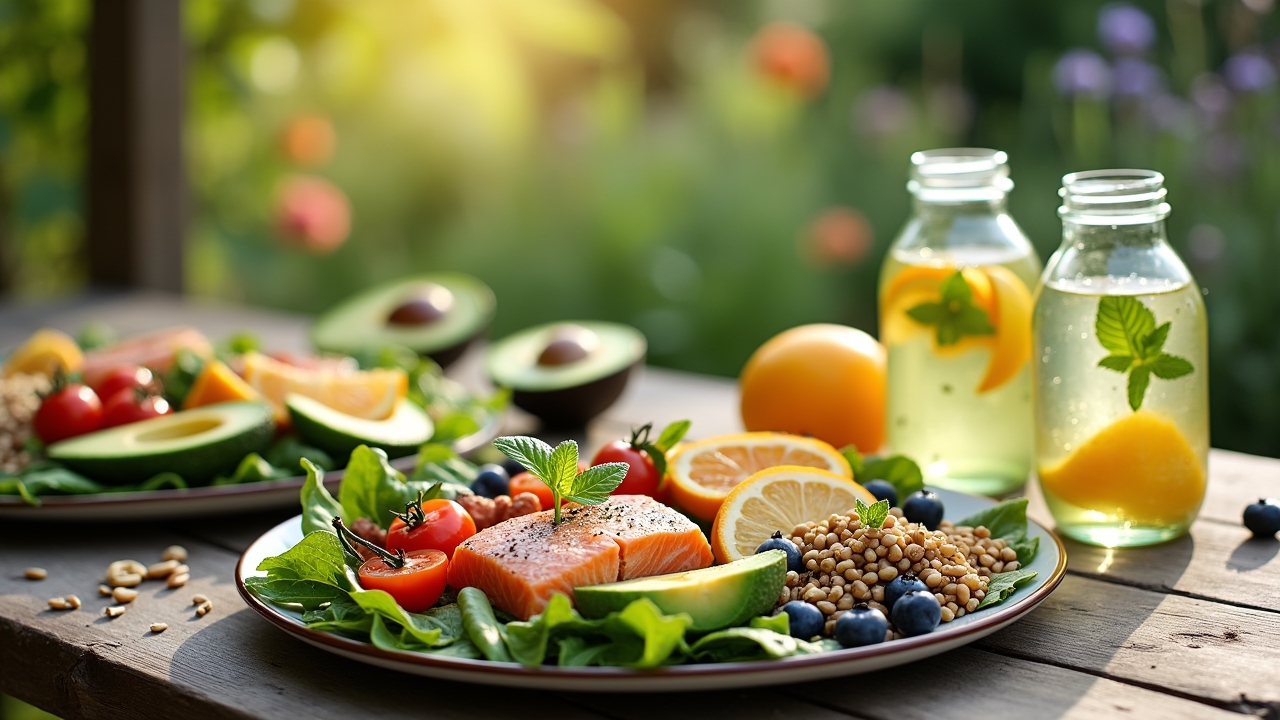
Here are some of the best foods I started adding to my diet:
Advertisements
- Fatty fish (like salmon and sardines) — packed with omega-3 fatty acids that reduce inflammatory markers
- Leafy greens (spinach, kale) — loaded with antioxidants and polyphenols
- Berries (blueberries, strawberries) — rich in flavonoids that combat oxidative stress
- Olive oil — contains oleocanthal, which works similarly to ibuprofen
- Turmeric — the compound curcumin is one of the most powerful natural anti-inflammatories out there
- Nuts (especially walnuts and almonds) — healthy fats that support immune function
The Medical News Today has a solid breakdown of the science behind these foods if you want to geek out on the research a little.
Lifestyle Habits That Make a Big Difference
Food is only part of the picture. I learned that the hard way when I cleaned up my diet but was still sleeping five hours a night and stress-eating on weekends. Whoops.
Here’s what actually moved the needle for me beyond just eating better:
- Regular exercise — even a 30-minute walk daily can lower inflammatory cytokines significantly
- Quality sleep — aim for 7-9 hours; poor sleep is one of the biggest drivers of inflammation
- Stress management — chronic stress raises cortisol, which fuels inflammation. Meditation, journaling, even just deep breathing helps
- Cutting back on alcohol and sugar — two of the sneakiest inflammation triggers
- Staying hydrated — water helps flush out toxins and supports cellular health
The CDC actually connects most chronic disease prevention directly to these lifestyle factors. It’s not rocket science, but it does take commitment.
Supplements Worth Considering
I’m not a doctor, and I want to be upfront about that. But after talking with my physician, I started incorporating a few anti-inflammatory supplements that have been well-researched.
- Curcumin with black pepper extract — boosts absorption dramatically
- Omega-3 fish oil — especially if you’re not eating enough fatty fish
- Magnesium — deficiency is super common and linked to elevated inflammation
- Vitamin D — most people are low, and it plays a huge role in immune regulation
Always check with a healthcare provider before starting anything new. Seriously. More isn’t always better, and some supplements can interact with medications.
Small Changes Add Up More Than You Think
Here’s the thing — you don’t have to overhaul your entire life overnight. I started with just adding one anti-inflammatory food per meal and going for a 20-minute walk after dinner. Three months later, my energy was noticeably better, my joints felt looser, and my doctor said my inflammation markers had dropped significantly. That felt like a real win.
Building an anti-inflammatory prevention healthy routine is honestly one of the best long-term investments you can make in yourself. It’s not about being perfect. It’s about being consistent. Your future self will seriously thank you for the effort you put in today — and so will your immune system!
Take what resonates with you, tweak it to fit your lifestyle, and don’t forget to always consult a professional before making major changes to your diet or supplement routine. Your health journey is uniquely yours. Want to keep learning about gut health, nutrition, and living better every day? Head over to Prime Guts — there’s a whole world of helpful content waiting for you there!