How Zinc Quietly Controls Your Immunity and Hormones (And Why I Ignored It for Years)
Advertisements
Here’s a stat that honestly blew my mind: nearly two billion people worldwide are estimated to be deficient in zinc. Two billion! I was one of them for longer than I’d like to admit. See, I spent years obsessing over vitamin C and D for my immune system, completely overlooking this humble mineral that was quietly running the show behind the scenes.
Zinc is one of those essential trace minerals that doesn’t get the spotlight it deserves, but it plays a massive role in immune function, hormone production, and overall health. Once I finally connected the dots between my constant colds, sluggish energy, and low zinc levels, everything changed. Let me walk you through what I learned the hard way.
Why Zinc Is Your Immune System’s Best Friend
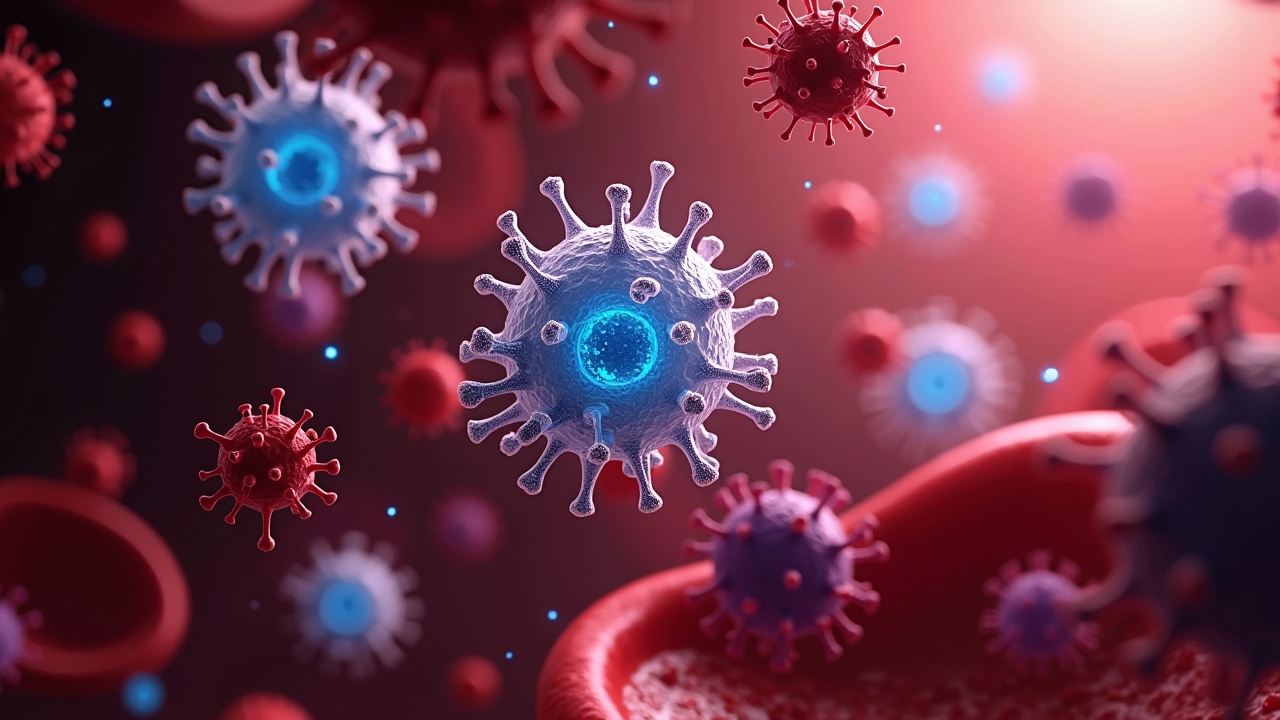
So here’s the deal. Zinc is literally required for the development and function of immune cells like neutrophils, natural killer cells, and T-lymphocytes. Without adequate zinc, your body’s defense system is basically running on fumes.
I remember catching every single cold my students brought into the classroom for about three winters straight. It was maddening. My doctor ran some bloodwork, and wouldn’t you know it, my serum zinc levels were on the low end.
Research shows that zinc supplementation can reduce the duration of the common cold by up to 33% when taken within 24 hours of symptom onset. It also supports the gut barrier, which is where around 70% of your immune tissue actually lives. That connection between zinc, gut health, and immune response was something I totally slept on.
The Hormone Connection Nobody Talks About
Here’s where things get really interesting. Zinc doesn’t just help you fight off a cold — it’s deeply involved in hormone regulation. We’re talking testosterone, thyroid hormones, insulin, and even growth hormone.
For men especially, zinc is critical for testosterone production. Studies have shown that zinc deficiency can significantly lower testosterone levels in as little as 20 weeks. I noticed my energy was garbage and my workouts felt pointless — turns out my hormonal balance was off partly because of inadequate zinc intake.
Advertisements
And it’s not just a guy thing, by the way. Zinc influences estrogen and progesterone metabolism in women, supports healthy thyroid function for everyone, and helps regulate cortisol — your stress hormone. When cortisol stays elevated because zinc isn’t there to help modulate it, you get that wired-but-tired feeling that I know way too well.
How I Fixed My Zinc Intake (Without Going Overboard)
My first mistake was buying the cheapest zinc supplement I could find. Zinc oxide. Barely absorbed. Basically threw my money away for two months before someone told me to look for zinc picolinate or zinc bisglycinate instead. Lesson learned.
Here’s what actually worked for me:
- I started eating more zinc-rich foods like oysters, pumpkin seeds, grass-fed beef, and chickpeas.
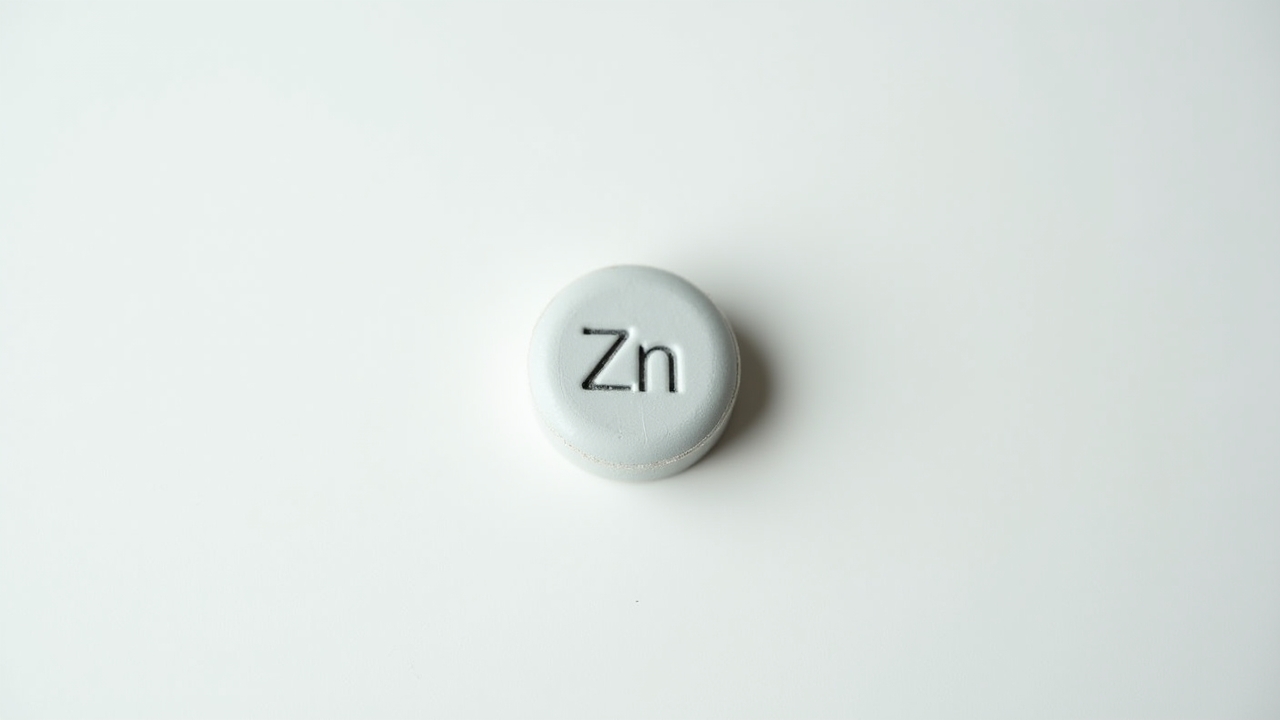
- I added 15-30 mg of zinc bisglycinate daily, taken with a meal to avoid that nasty nausea.
- I made sure to balance it with copper, because too much zinc can actually deplete your copper levels — something most people don’t realize.
- I stopped taking zinc at the same time as my iron supplement since they compete for absorption.
Within about six weeks, I genuinely noticed a difference. Fewer sniffles, better morning energy, and my recovery after workouts improved noticeably. It wasn’t magic — it was just giving my body what it was been missing.
Your Move: Small Changes, Big Impact
Look, zinc isn’t a cure-all, and I’m definitely not saying to megadose it without guidance. Too much zinc brings its own problems, including immune suppression — ironic, right? Always check with your healthcare provider before starting any new supplement, especially if you’re on medications like antibiotics or diuretics.
But if you’ve been struggling with frequent illness, hormonal imbalances, or just feeling “off,” getting your zinc levels checked is a simple step that could make a real difference. Tailor the advice here to your own body and situation because we’re all wired a little differently.
Want to keep digging into how nutrition impacts your body from the inside out? Head over to the Prime Guts blog for more practical, no-nonsense health content. Your immune system and your hormones will thank you for it!